Running a business comes with constant decisions. Some are easy. Some are intriguing. And of course, tax is one of them.
With all the account details opened in you laptop, you might be wondering whether to search for a tax accountant near you or handle everything yourself. Well, because it’s just a small business!
Frankly speaking, both options exist. Both can work. But the right choice depends on your situation, your confidence, and your risk tolerance.
Here’s the reality. Tax is not just paperwork. It does affect cash flow, compliance, and long-term growth.
Let’s break it down clearly.
Understanding DIY Tax Filing
DIY tax filing means you manage your own financial records and submit returns directly to the Inland Revenue Department (IRD).
Many business owners use accounting software to help. Cloud tools have made this easier than before. That’s a good thing.
Typical DIY responsibilities include:
- Recording income and expenses
- GST returns and filings
- Annual financial statements
- Income tax submissions
- Tracking deductible expenses
If your business is simple, this can work. Especially in the early stages.
But simplicity rarely lasts forever.
Benefits of Hiring a Tax Accountant
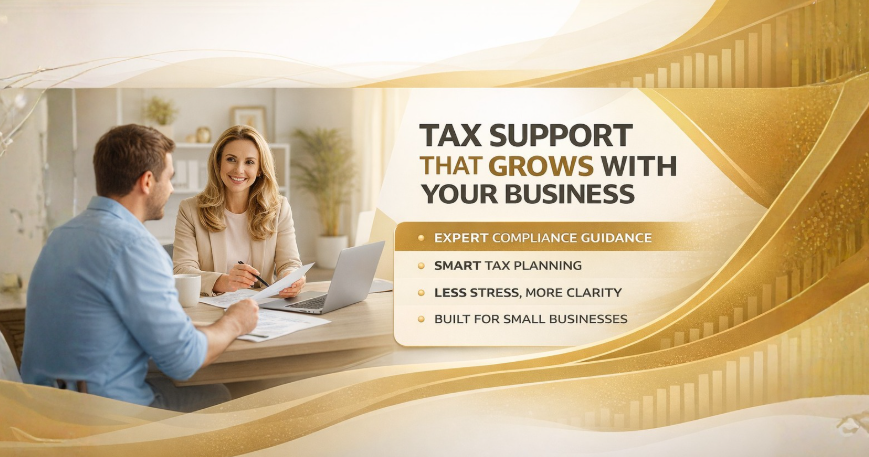
Working with a professional changes the experience completely. You gain clarity. You gain confidence. You reduce stress.
A qualified accountant does more than submit forms. They interpret numbers. They identify risks. They plan ahead.
With a firm like Elite Accounting Limited – Chartered Accountants, support typically includes:
- Compliance with IRD regulations
- Financial reporting accuracy
- Tax planning strategies
- Bookkeeping and compliance oversight
- Business advisory insights
That matters. Especially when revenue grows or complexity increases.
Many SMEs across New Zealand rely on professional guidance because mistakes can be expensive.
When DIY Might Be Enough
DIY works best in specific situations.
For example:
- Sole traders with low transaction volume
- Contractors with predictable income
- Startups in the early months
- Businesses with strong bookkeeping skills
- Owners are comfortable with accounting software
If your finances are straightforward and you have time to learn, self-filing can save money initially.
But time has value too. That is often overlooked.
When Professional Help Is the Smarter Choice
There comes a point where doing accounting yourself stops being efficient.
You should strongly consider professional support if:
- Revenue is increasing
- You employ staff
- GST becomes complex
- You claim multiple deductions
- You lack confidence in compliance
- You want tax efficiency planning
Searching for a reliable tax accountant often happens at this stage. Not because DIY failed. Because the business evolved.
Growth creates complexity. Complexity needs expertise.
Cost Comparison: Perception vs Reality
Many owners assume DIY is always cheaper. It feels logical. No professional fees.
But consider the full picture.
DIY costs include:
- Your time
- Software subscriptions
- Learning effort
- Risk of errors
- Missed deductions
Professional accounting costs include fees. Yes. But also value.
Accountants often save money through:
- Correct expense claims
- Tax efficiency strategies
- Avoided penalties
- Better financial decisions
In many cases, the financial difference is smaller than expected. Sometimes the accountant option is actually cheaper long-term.
Risks Small Businesses Often Overlook
Here’s where problems happen. Quietly. Gradually.
Common risks include:
- Incorrect GST treatment
- Missed filing deadlines
- Poor record keeping
- Underclaimed expenses
- Overclaimed deductions
- Misunderstanding IRD rules
These issues rarely appear immediately. They surface during audits or reviews.
That creates stress. And unexpected costs.
Professional accounting services in NZ exist to prevent those situations before they occur.
How to Decide What Is Right for You
Ask yourself a few honest questions.
- Do I understand tax obligations confidently?
- Do I have time to manage finances properly?
- Is my business becoming more complex?
- Do I want strategic advice or just compliance?
- How comfortable am I with financial risk?
If confidence is low, support is wise.
If finances are simple and time is available, DIY may still work for now.
Many businesses also choose a hybrid approach. They manage bookkeeping themselves but engage experts for year-end filing and advice. That can be a practical middle ground within small business accounting environments in New Zealand.
If you find yourself repeatedly searching for a dependable tax accountant near you, it usually signals readiness for professional support.
Listening to that instinct helps.
FAQ
Is hiring a tax accountant worth it for startups?
Yes, especially as complexity grows. Accountants reduce risk, improve compliance, and often identify savings opportunities.
Can I file business taxes myself in New Zealand?
Yes. The IRD allows self-filing. Many small businesses start this way, particularly sole traders with simple finances.
How much does a tax accountant cost?
Costs vary based on business size and complexity. Basic returns may cost a few hundred dollars, while full advisory services cost more but provide greater value.
What are common tax mistakes businesses make?
Frequent errors include incorrect GST claims, missing deductions, poor record keeping, and late filings. These can trigger penalties or audits.
When should I hire an accountant?
Consider hiring one when revenue increases, you employ staff, compliance feels confusing, or you want strategic financial guidance.
A Supportive Next Step
Tax decisions do not need to feel overwhelming. The right guidance brings relief. And clarity.
If you are unsure which path fits your situation, speaking with experienced professionals can help you evaluate options calmly.
The team at Elite Accounting Limited – Chartered Accountants works closely with SMEs across the small business accounting sectors in New Zealand. Their approach focuses on compliance, practicality, and sustainable growth.
Because sometimes a short conversation is enough to point you in the right direction.