• Skip to main content
  • Skip to footer

Elite Accounting

Chartered Accountant | Small Business Accountants in New Zealand

09 393 7025

  • Services
    • Accounting and Tax
    • Audit and assurance
    • Advisory
    • Bookkeeping & Payroll
    • Small & Medium Business
    • Tax Review & Audit
    • Financial Supervisor
    • Custom Services
  • Packages
  • Industries
  • Resources
    • Blog
    • Free Xero
    • Resources
  • About Us
  • Contact Us

Avoiding IRD Penalties: A Guide to Financial Audits in New Zealand

Ronit

Apr 13 2026

You’re wrapping up your week. Numbers are “mostly” updated. GST is filed. Things seem under control.

Then a message lands from the Inland Revenue Department.

Nothing dramatic. Just a request to review your records.

Still, something shifts.

You start replaying decisions in your head.

“Did I claim that correctly?”

“Was that expense business-related?”

“Are my records clean enough?”

This is the part everyone ignores. Not the audit itself. The doubt before it.

Most businesses don’t fail audits because of major issues. They struggle because of small gaps. Small delays. Small assumptions.

And over time, those small things build patterns.

That’s what audits pick up, and the importance of a tax accountant is felt!

What an IRD Audit Really Means (Without the Fear)

Let’s strip this back.

An audit is not an accusation. It’s a verification process.

The IRD checks whether what you reported matches your actual financial activity. That includes:

  • Income and revenue
  • Business expenses
  • GST filings
  • Payroll and PAYE records

Sometimes it’s random. Sometimes it’s triggered by irregularities. But here’s the key point.

An audit is not about perfection. It’s about consistency and accuracy. If your records tell a clear, logical story, the process is usually smooth. If they don’t, that’s when things slow down.

Where Most Businesses Start Losing Control

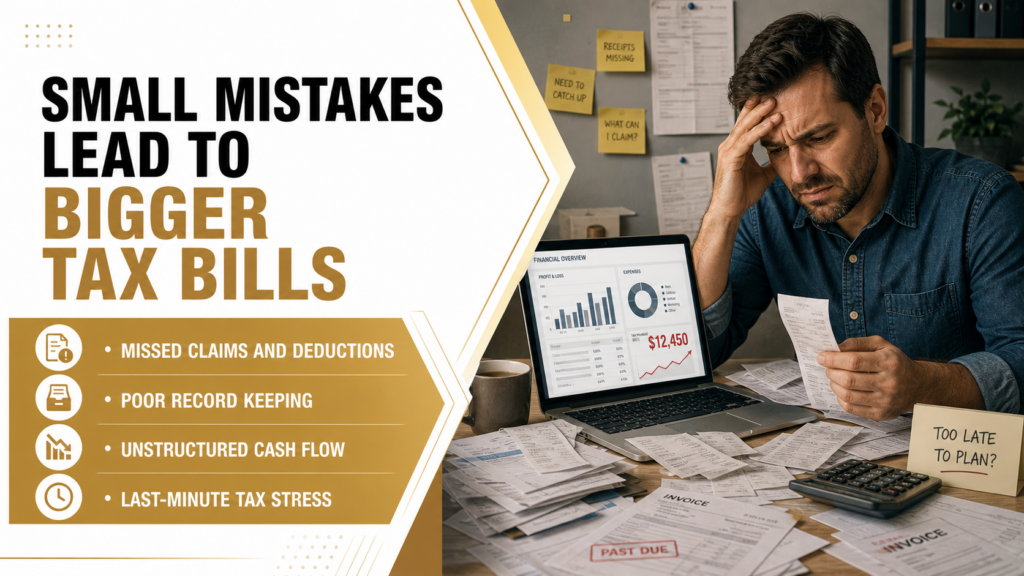
No one plans to get into trouble. It happens gradually. You get busy. Priorities shift. Financial admin gets pushed to “later.” Here’s how it typically unfolds:

  • Week 1: You skip updating records
  • Week 3: You estimate a few figures
  • Month-end: You rush through GST
  • Quarter-end: You rely on memory

Nothing feels critical at the time. But now your data isn’t fully accurate. And once accuracy slips, confidence goes with it. That’s when stress starts to build.

Common Mistakes vs Real Business Impact

Let’s look at what actually happens behind the scenes.

MistakeWhat It Looks LikeWhat It Leads To
Weak record-keepingMissing receipts, unclear entriesDifficulty proving claims during audit
GST miscalculationsOverclaiming or underreportingAudit triggers and penalties
Late filingsMissed deadlinesFines and increased scrutiny
Mixed financesPersonal and business overlapDisallowed deductions
No regular review“Set and forget” approachErrors accumulate over time

Here’s the reality. These are not rare mistakes. They are everyday habits. And they are exactly what the IRD systems are designed to detect.

IRD Penalties: The Part That Catches People Off Guard

Penalties don’t usually arrive all at once. They build. Quietly.

Here’s how they show up:

  • Late filing penalties when deadlines are missed
  • Interest charges on unpaid tax
  • Shortfall penalties for incorrect reporting

At first, it might seem manageable. A small fee here. A correction there. But over time, it adds pressure.

Financial pressure.

Time pressure.

Mental pressure.

This is often the point where business owners start searching for a tax accountant near you to take back control.

What Being “Audit-Ready” Actually Looks Like

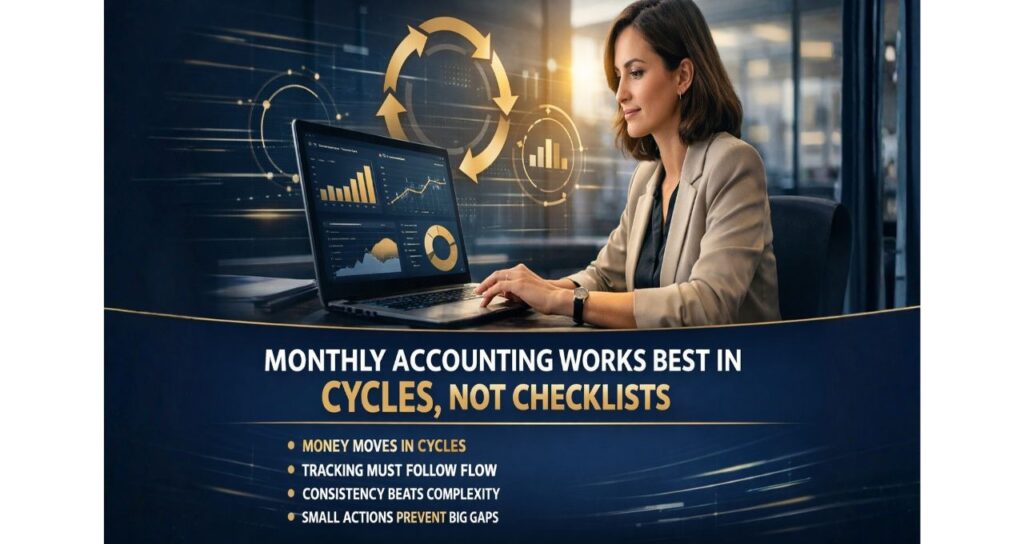
Forget complex systems. Focus on rhythm. Audit-ready businesses don’t do anything extraordinary. They just stay consistent.

Here’s a simple structure that works:

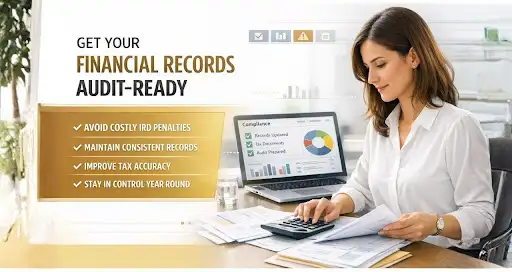
  • Transactions recorded weekly
  • Accounts reconciled monthly
  • GST reviewed before submission
  • Financial reports are checked regularly
  • Clear separation between business and personal spending

That’s it. No last-minute rush. No guesswork. No uncertainty. This is the foundation of effective small business accounting practices.

Audit Experience: Prepared vs Unprepared

This is where the difference becomes obvious.

SituationUnprepared BusinessPrepared Business
IRD request arrivesStress, confusion, delayCalm, immediate response
Document collectionScattered and incompleteOrganised and accessible
CommunicationUncertain answersClear, confident replies
Final outcomeHigher risk of penaltiesFaster, smoother resolution

Same audit. Completely different experience. Preparation changes everything.

What to Do If You Receive an IRD Review Notice

First, don’t panic. Audits are manageable when handled correctly.

Here’s a practical approach:

  • Start by reading the request carefully. Don’t rush. Understand exactly what is being asked.
  • Next, gather your documents. Not everything. Just what is relevant.
  • Then, respond clearly and on time. Avoid over-explaining or guessing.

If something feels unclear, that’s your signal to get support.

This is where many businesses look for tax advisory or professional tax audit services. Not because things are wrong, but because clarity matters.

accountant nz

The Hidden Risk: Waiting Too Long

Here’s something worth paying attention to.

Most businesses don’t seek help when things are stable. They wait until something feels off.

That delay creates risk.

You might notice:

  • Records are behind
  • GST doesn’t fully make sense
  • Deadlines feel stressful
  • Financial reports are unclear

At this stage, small issues may already exist.

This is exactly where regular tax reviews nz make a difference. They catch problems early, before they turn into penalties.

Why DIY Accounting Starts to Break Down

In the early stages, managing your own finances can work. But as your business grows, complexity increases, disrupting your peace of mind.

  • More transactions.
  • More compliance requirements.
  • More reporting obligations.

At some point, manual systems and assumptions stop being reliable. That’s when errors begin to creep in. Not because you lack effort, but because the system is stretched.

This is where working with a tax accountant in NZ becomes less of a choice and more of a necessity.

The Role of Expert Support (And Why It Matters)

Good accounting is not just about filing taxes. It’s about building a system that works all year.

With the right support, you:

  • Stay compliant without constant worry
  • Maintain clean, audit-ready records
  • Identify risks early
  • Make informed financial decisions

It removes the guesswork.

And more importantly, it gives you confidence.

That’s why many business owners eventually search for a tax accountant near you. Not just for filing, but for clarity.

FAQs

What triggers an IRD audit in New Zealand?

Inconsistent GST filings, unusual expense patterns, late submissions, and sudden financial changes are common triggers.

Are audits always serious?

No. Many are routine checks. The outcome depends on how well your records are maintained.

How far back can IRD review my records?

Typically up to seven years. Accurate record-keeping is essential.

Can IRD penalties be reduced?

In some cases, yes. Early correction and cooperation can help reduce penalties.

Do I need an accountant for an audit?

Not mandatory, but highly beneficial. Professional support improves accuracy and reduces stress.

Tax Advisory near me

Final Thought

Audits don’t begin with major problems. They begin with small gaps. Small delays. Small assumptions. Close those gaps early, and audits become routine. Ignore them, and they become stressful. The difference is in how you manage things today.

Why Work with Elite Accounting Limited – Chartered Accountants

When it comes to staying compliant and audit-ready, experience matters.

Elite Accounting Limited – Chartered Accountants stands out for:

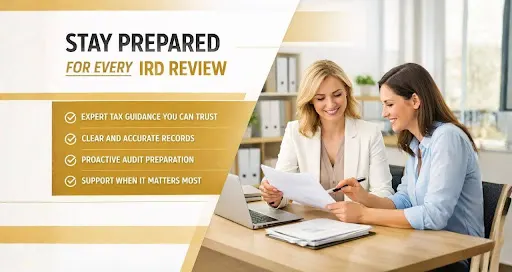
  • Strong expertise in New Zealand tax laws and IRD compliance
  • Practical, straightforward advice tailored to small and medium businesses
  • Reliable bookkeeping and financial record management
  • Proactive tax planning to reduce risk and improve efficiency
  • Clear communication without unnecessary jargon
  • Dedicated support during IRD reviews and audits

The focus is simple.

Keep your business organised.

Keep your reporting accurate.

Keep your stress low.

Because when your numbers are clear, everything else becomes easier.

Written by Ronit · Categorized: Business Accounting · Tagged: accountant nz, tax accountant near me, Tax Advisory near me

Mar 12 2026

You’ve just closed your shop for the day. Your laptop is open, and the pile of invoices, receipts, and bank statements in front of you feels like a mountain. You sip your coffee and think, “Did I enter that payment? What about payroll? And GST…am I going to get it wrong?”

If this sounds familiar, don’t worry. You’re not alone. Many small business owners in New Zealand juggle daily operations while trying to keep their finances on track. The stress can mount quickly, and suddenly, staying IRD-compliant feels overwhelming.

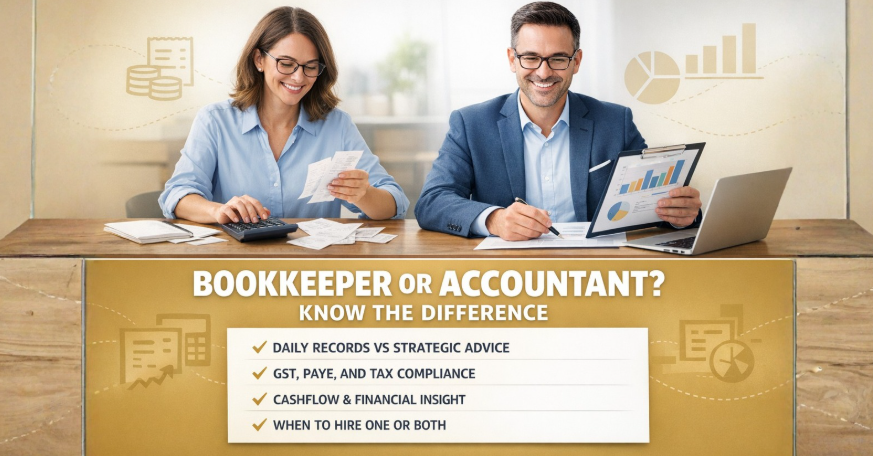
That’s when the big question arises: “Do I hire a bookkeeper, an accountant, or both?”

The answer isn’t simple, but getting it right can save you time, money, and sleepless nights. 

Let’s walk through the differences, explain when each is essential, and show a workflow that keeps your business compliant and confident.

Why Understanding the Difference Matters

Here’s the reality: bookkeeping and accounting are not the same thing. Mix them up, and you risk mistakes that can be expensive.

  • Filing GST or PAYE incorrectly
  • Missing deductions
  • Late submissions and penalties from the IRD
  • Cashflow headaches that could have been avoided

Think of it this way: bookkeeping keeps your finances organised, while accounting helps you make sense of those numbers. Both are important. Both work together, but for different purposes.

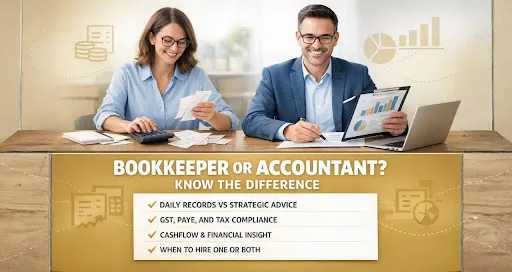
Bookkeeper vs Accountant NZ: Roles Explained

Sometimes it helps to see it side by side. Here’s what each role does in a NZ small business:

TaskBookkeeperAccountant
Record daily transactionsYes
Reconcile bank statementsYes
Track invoices & paymentsYes
Manage GST & payrollYes (Only draft)Yes (Final)
Prepare financial statementsYes (Only draft)Yes (Final)
Tax adviceYes 
Strategic financial planningYes
IRD compliance & lodgementYes
Business growth adviceYes
Bookkeeper vs accountant nz

Bookkeeping in NZ

Bookkeepers are like the front-line soldiers of your finances. They make sure every sale, invoice, and expense is recorded properly.

  • Enter sales, invoices, and expenses weekly
  • Reconcile bank statements monthly
  • Prepare GST drafts
  • Track cash flow to prevent surprises

Without accurate bookkeeping, your accountant will struggle to provide advice…and mistakes can slip through unnoticed.

Accounting in NZ

Accountants take the data your bookkeeper prepares and turn it into insight. They check for errors, ensure IRD compliance, and help you make strategic decisions.

  • Finalise financial statements for year-end reporting
  • Advice on deductions, provisional tax, and PAYE obligations
  • Submit accurate returns to the IRD
  • Guide your business growth and cash flow strategy

At Elite Accounting Limited- Chartered Accountants, we combine bookkeeping and accounting services so your finances are organised, compliant, and ready for growth.

When Your Business Legally Needs an Accountant

Some NZ businesses must involve an accountant. For example:

  • Companies or LTCs needing certified financial statements
  • Businesses with employees submitting PAYE and KiwiSaver
  • Businesses with turnover requiring provisional tax and GST
  • Situations with complex transactions, loans, or audits

Even if you’re a sole trader, there are times when an accountant becomes essential:

  • Filing annual tax returns correctly
  • Claiming deductions or managing IRD queries
  • Planning for business growth, financing, or investment

Decision Matrix: Who Does What?

Here’s a simple guide to help you decide:

ScenarioBookkeeper OnlyAccountant OnlyBoth
Sole trader, simple income & expensesYes
Sole trader, GST registered & employeesYesYes
Small company, multiple shareholdersYesYes
Growing SME, complex cashflowYes
Preparing for audit or IRD reviewYesYes

This matrix makes it easier to see who you need. Often, the best approach is both. Bookkeepers handle day-to-day records, accountants review, advise, and ensure compliance.

Difference between bookkeeper and accountant

Cost vs Risk: Making the Right Choice

Money matters. Hiring a professional may feel expensive. But consider the cost of mistakes.

  • Bookkeeper Only

Pros: Lower cost, keeps records tidy

Cons: Risk of missed deductions, incorrect GST or PAYE, cashflow errors

  • Accountant Only

Pros: Ensures compliance, provides strategic advice

Cons: Daily records may get messy, miand nor errors can slip through

  • Both Bookkeeper + Accountant

Pros: Smooth workflow, minimal mistakes, full IRD compliance

Cons: Slightly higher cost, but saves stress, penalties, and wasted time

At Elite Accounting Limited- Chartered Accountants, we help small businesses balance cost and risk. You get expert oversight without paying for unnecessary services.

How Bookkeeping Services NZ and Accountants Work Together

Here’s a workflow that actually works:

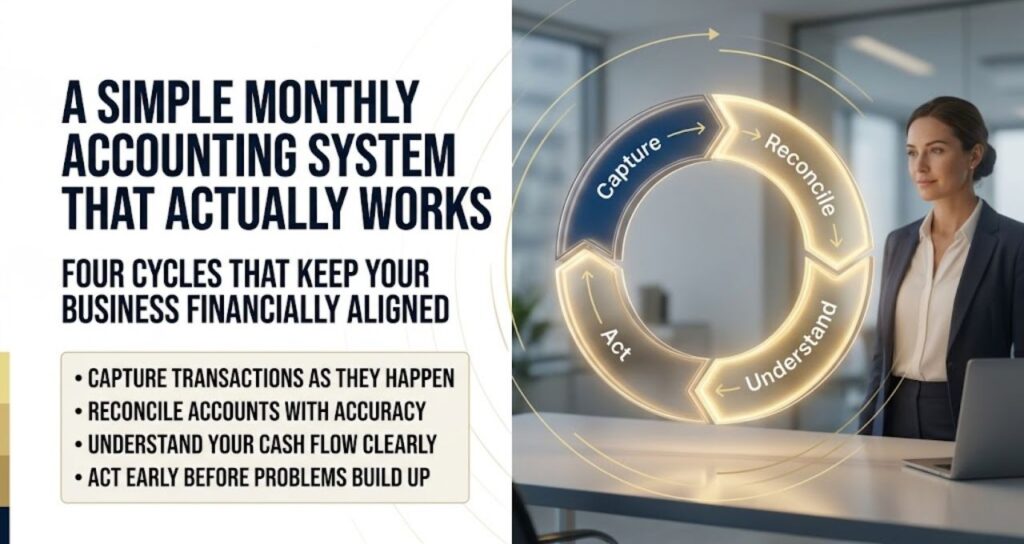
  • Daily/Weekly Bookkeeping: Record transactions, track cash flow, prepare GST drafts
  • Monthly Reconciliation: Bookkeeper checks records and flags issues
  • Accountant Review: Accountant ensures compliance, reviews GST, and advises on deductions
  • Quarterly & Annual Filing: Submit GST, PAYE, provisional tax, and annual returns on time
  • Strategic Advice: Accountant recommends tax savings, cashflow improvements, and growth planning

This workflow keeps your finances accurate, stress-free, and IRD-compliant.

Choosing the Right Partner for Your Business

Picking the right financial partner isn’t just about cost. Look for:

  • NZ Experience & IRD Knowledge: Understanding GST, PAYE, and compliance rules
  • Transparent Pricing: No hidden fees
  • Technology Compatibility: Works with Xero, MYOB, or your preferred software
  • Communication & Support: Explains numbers in plain English
  • Reputation & Referrals: Recommendations from other NZ small businesses

Elite Accounting Limited – Chartered Accountants provides practical, approachable support. We guide businesses through bookkeeping, accounting, and strategic advice so you can focus on what you do best: running your business.

FAQs

Can I manage bookkeeping myself?

Yes, for very small businesses. But errors can slip through, and accountants may struggle to provide advice. Professional oversight reduces stress and IRD risk.

Do I need an accountant if I hire a bookkeeper?

Often yes. GST, PAYE, tax returns, and deductions require oversight. Using both reduces errors and saves time.

What is the difference between a bookkeeper and an accountant?

Bookkeepers handle daily records. Accountants interpret data, advise on tax, and provide strategic guidance.

How do I choose an accountant in NZ?

Look for NZ experience, IRD knowledge, clear pricing, and strong communication. Ideally, they can work alongside your bookkeeper.

Are there penalties for mistakes?

Yes. IRD can charge fines or interest. Early bookkeeping and professional accounting prevent errors and reduce stress.

Conclusion: 

Here’s the bottom line: knowing whether you need a bookkeeper, an accountant, or both can save you time, money, and stress.

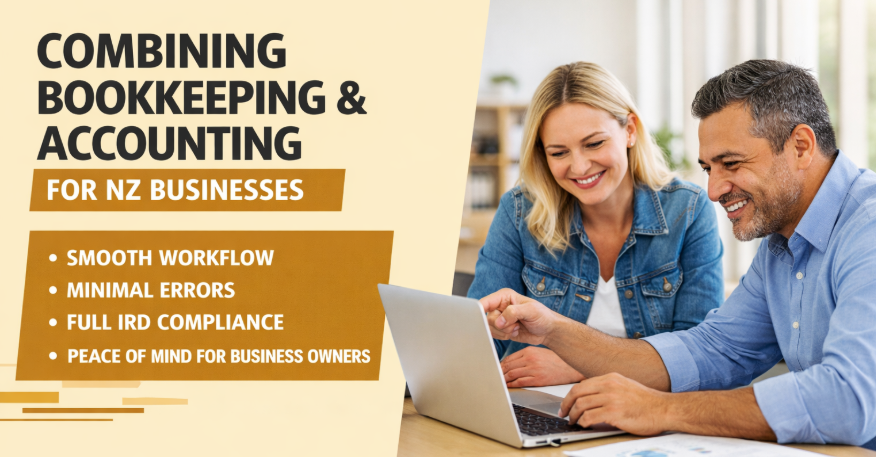
For NZ small business owners, combining bookkeeping with accounting ensures:

  • IRD compliance and peace of mind
  • Fewer errors and missed deadlines
  • Better financial insight for confident decision-making
  • More time to focus on growing your business

Elite Accounting Limited – Chartered Accountants helps NZ businesses manage both day-to-day bookkeeping and high-level accounting. We make finance simple, organised, and stress-free.

Speak with our specialist today to discuss your business needs and ensure compliance without the stress.

Written by Ronit · Categorized: Business Accounting · Tagged: accountant nz, Bookkeeper vs accountant nz, Difference between bookkeeper and accountant

Feb 12 2026

You’ve just closed your shop for the day. Your laptop is open, and the pile of invoices, receipts, and bank statements in front of you feels like a mountain. You sip your coffee and think, “Did I enter that payment? What about payroll? And GST…am I going to get it wrong?”

If this sounds familiar, don’t worry. You’re not alone. Many small business owners in New Zealand juggle daily operations while trying to keep their finances on track. The stress can mount quickly, and suddenly, staying IRD-compliant feels overwhelming.

That’s when the big question arises: “Do I hire a bookkeeper, an accountant, or both?”

The answer isn’t simple, but getting it right can save you time, money, and sleepless nights. 

Let’s walk through the differences, explain when each is essential, and show a workflow that keeps your business compliant and confident.

Why Understanding the Difference Matters

Here’s the reality: bookkeeping and accounting are not the same thing. Mix them up, and you risk mistakes that can be expensive.

  • Filing GST or PAYE incorrectly
  • Missing deductions
  • Late submissions and penalties from the IRD
  • Cashflow headaches that could have been avoided

Think of it this way: bookkeeping keeps your finances organised, while accounting helps you make sense of those numbers. Both are important. Both work together, but for different purposes.

Bookkeeper vs Accountant NZ: Roles Explained

Sometimes it helps to see it side by side. Here’s what each role does in a NZ small business:

TaskBookkeeperAccountant
Record daily transactionsYes
Reconcile bank statementsYes
Track invoices & paymentsYes
Manage GST & payrollYes (Only draft)Yes (Final)
Prepare financial statementsYes (Only draft)Yes (Final)
Tax adviceYes 
Strategic financial planningYes
IRD compliance & lodgementYes
Business growth adviceYes

Bookkeeping in NZ

Bookkeepers are like the front-line soldiers of your finances. They make sure every sale, invoice, and expense is recorded properly.

  • Enter sales, invoices, and expenses weekly
  • Reconcile bank statements monthly
  • Prepare GST drafts
  • Track cash flow to prevent surprises

Without accurate bookkeeping, your accountant will struggle to provide advice…and mistakes can slip through unnoticed.

Accounting in NZ

Accountants take the data your bookkeeper prepares and turn it into insight. They check for errors, ensure IRD compliance, and help you make strategic decisions.

  • Finalise financial statements for year-end reporting
  • Advice on deductions, provisional tax, and PAYE obligations
  • Submit accurate returns to the IRD
  • Guide your business growth and cash flow strategy

At Elite Accounting Limited- Chartered Accountants, we combine bookkeeping and accounting services so your finances are organised, compliant, and ready for growth.

When Your Business Legally Needs an Accountant

Some NZ businesses must involve an accountant. For example:

  • Companies or LTCs needing certified financial statements
  • Businesses with employees submitting PAYE and KiwiSaver
  • Businesses with turnover requiring provisional tax and GST
  • Situations with complex transactions, loans, or audits

Even if you’re a sole trader, there are times when an accountant becomes essential:

  • Filing annual tax returns correctly
  • Claiming deductions or managing IRD queries
  • Planning for business growth, financing, or investment

Decision Matrix: Who Does What?

Here’s a simple guide to help you decide:

ScenarioBookkeeper OnlyAccountant OnlyBoth
Sole trader, simple income & expenses Yes
Sole trader, GST registered & employeesYesYes
Small company, multiple shareholdersYesYes
Growing SME, complex cashflowYes
Preparing for audit or IRD reviewYesYes

This matrix makes it easier to see who you need. Often, the best approach is both. Bookkeepers handle day-to-day records, accountants review, advise, and ensure compliance.

Cost vs Risk: Making the Right Choice

Money matters. Hiring a professional may feel expensive. But consider the cost of mistakes.

  • Bookkeeper Only

Pros: Lower cost, keeps records tidy

Cons: Risk of missed deductions, incorrect GST or PAYE, cashflow errors

  • Accountant Only

Pros: Ensures compliance, provides strategic advice

Cons: Daily records may get messy, miand nor errors can slip through

  • Both Bookkeeper + Accountant

Pros: Smooth workflow, minimal mistakes, full IRD compliance

Cons: Slightly higher cost, but saves stress, penalties, and wasted time

At Elite Accounting Limited- Chartered Accountants, we help small businesses balance cost and risk. You get expert oversight without paying for unnecessary services.

How Bookkeeping Services NZ and Accountants Work Together

Here’s a workflow that actually works:

  • Daily/Weekly Bookkeeping: Record transactions, track cash flow, prepare GST drafts
  • Monthly Reconciliation: Bookkeeper checks records and flags issues
  • Accountant Review: Accountant ensures compliance, reviews GST, and advises on deductions
  • Quarterly & Annual Filing: Submit GST, PAYE, provisional tax, and annual returns on time
  • Strategic Advice: Accountant recommends tax savings, cashflow improvements, and growth planning

This workflow keeps your finances accurate, stress-free, and IRD-compliant.

Choosing the Right Partner for Your Business

Picking the right financial partner isn’t just about cost. Look for:

  • NZ Experience & IRD Knowledge: Understanding GST, PAYE, and compliance rules
  • Transparent Pricing: No hidden fees
  • Technology Compatibility: Works with Xero, MYOB, or your preferred software
  • Communication & Support: Explains numbers in plain English
  • Reputation & Referrals: Recommendations from other NZ small businesses

Elite Accounting Limited – Chartered Accountants provides practical, approachable support. We guide businesses through bookkeeping, accounting, and strategic advice so you can focus on what you do best: running your business.

FAQs

  1. Can I manage bookkeeping myself?

Yes, for very small businesses. But errors can slip through, and accountants may struggle to provide advice. Professional oversight reduces stress and IRD risk.

  1. Do I need an accountant if I hire a bookkeeper?

Often yes. GST, PAYE, tax returns, and deductions require oversight. Using both reduces errors and saves time.

  1. What is the difference between a bookkeeper and an accountant?

Bookkeepers handle daily records. Accountants interpret data, advise on tax, and provide strategic guidance.

  1. How do I choose an accountant in NZ?

Look for NZ experience, IRD knowledge, clear pricing, and strong communication. Ideally, they can work alongside your bookkeeper.

  1. Are there penalties for mistakes?

Yes. IRD can charge fines or interest. Early bookkeeping and professional accounting prevent errors and reduce stress.

Conclusion: 

Here’s the bottom line: knowing whether you need a bookkeeper, an accountant, or both can save you time, money, and stress.

For NZ small business owners, combining bookkeeping with accounting ensures:

  • IRD compliance and peace of mind
  • Fewer errors and missed deadlines
  • Better financial insight for confident decision-making
  • More time to focus on growing your business

Elite Accounting Limited – Chartered Accountants helps NZ businesses manage both day-to-day bookkeeping and high-level accounting. We make finance simple, organised, and stress-free.

Speak with our specialist today to discuss your business needs and ensure compliance without the stress.

Written by Ronit · Categorized: Business Accounting · Tagged: Bookkeeping Services, Bookkeeping Services NZ

Feb 11 2026

At some point, every business owner reaches this stage.

The numbers are no longer simple. GST filings take more time. Tax questions start to feel uncertain. You begin to realise that handling everything yourself is no longer efficient.

So you decide to find an accountant. Then comes the real challenge. Who do you choose?

Not every accountant offers the same level of service. Some focus only on compliance. Others go further and support your business decisions.

In the context of small business accounting in New Zealand, choosing the right accountant is not just about managing tax. It is about building a financial structure that supports your business over time.

Why This Decision Carries Long-Term Impact

An accountant is not just a service provider you engage once a year.

They become part of how your business operates. Quietly, but consistently.

Their role influences:

  • The accuracy of your financial records
  • Your ability to meet IRD requirements
  • The way you plan for taxes and expenses
  • The clarity you have over business performance

If the relationship works well, you gain confidence. You understand your numbers. You make decisions with clarity.

If it does not, the impact builds slowly. Confusion increases. Risks go unnoticed. Opportunities are missed.

That is why this decision deserves careful thought.

What a Small Business Accountant Should Actually Do

Many business owners begin with a simple expectation. File tax returns. Handle GST. Keep things compliant.

That is only one part of the role.

A capable small business accountant should provide structured support across multiple areas:

  • Financial reporting: Clear, accurate, and timely
  • Tax compliance: GST, PAYE, and income tax handled correctly
  • Record integrity: Ensuring your financial data is complete and reliable
  • Advisory support: Guidance on tax planning, expenses, and profitability
  • Ongoing review: Identifying risks and opportunities early

The difference is subtle but important.

One accountant reports what has already happened.

A strong accountant helps you understand what to do next.

A Practical Framework for Evaluating Accountants

Instead of relying on general impressions, it helps to assess accountants using clear criteria.

1. Understanding of New Zealand Compliance

Your accountant must be confident with:

  • IRD regulations and filing requirements
  • GST processes and reporting cycles
  • Business structures such as sole traders, partnerships, and companies

Without this foundation, even small errors can create compliance issues.

2. Ability to Simplify Financial Information

Accounting can quickly become complex. That is expected. What matters is how it is explained.

A reliable accountant for small businesses will:

  • Break down financial concepts into simple terms
  • Provide clear explanations without overcomplicating
  • Help you understand what the numbers actually mean

If you feel confused after every conversation, the communication approach is not working.

3. Consistency and Responsiveness

Financial matters require timely attention. Look for signs of consistency:

  • Regular communication
  • Prompt responses to queries
  • Clear timelines for deliverables

Delays or lack of clarity at the beginning often continue later.

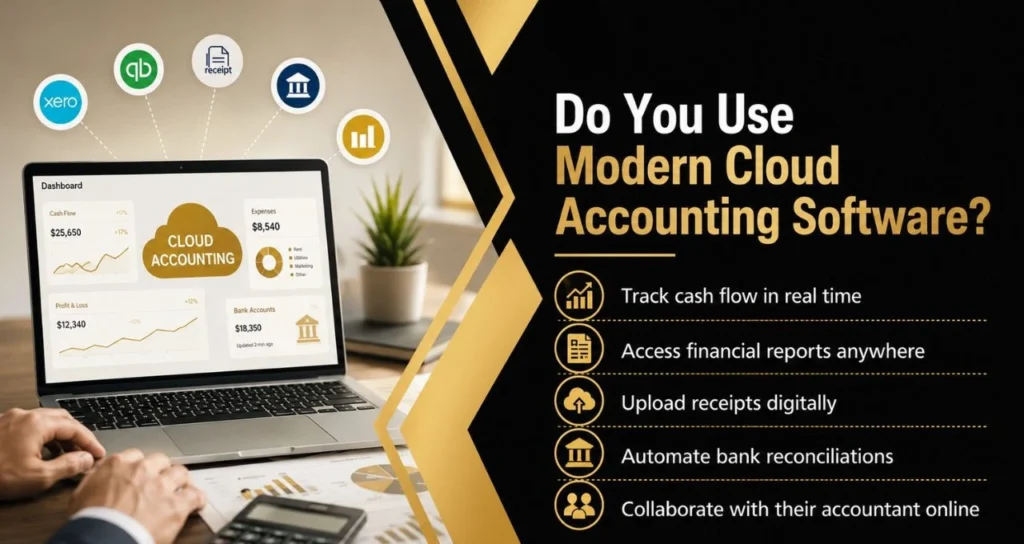
4. Use of Modern Accounting Systems

Efficiency depends on the tools being used. A structured accounting setup should include:

  • Cloud-based platforms for real-time access
  • Automated processes to reduce manual errors
  • Clear reporting dashboards

This improves both accuracy and visibility.

5. Transparency in Services and Pricing

Clarity matters. You should know:

  • What services are included
  • How often they are delivered
  • What the cost structure looks like

Hidden costs or vague descriptions usually lead to misunderstandings.

6. Advisory Capability

This is often the deciding factor. Beyond compliance, your accountant should be able to:

  • Provide practical recommendations
  • Highlight financial risks
  • Support planning for growth

This is where long-term value is created.

best accountant for small business nz

Questions That Help You Make the Right Decision

Before choosing an accountant, ask direct questions. Not general ones. Specific, practical ones. For example:

  • How do you manage GST filings and reviews?
  • How often will we discuss financial performance?
  • What kind of advisory support do you provide?
  • How do you ensure compliance with IRD requirements?
  • What systems do you use for reporting and record-keeping?

The answers will give you a clear sense of their approach.

Not just what they say they do, but how they actually work.

Common Red Flags to Watch For

Some issues are visible early if you pay attention. Be cautious if you notice:

  • Delayed or unclear responses
  • Generic advice that does not reflect your business
  • Limited explanation of services
  • Over-reliance on technical language without clarity
  • Lack of proactive communication

These are not small concerns. Over time, they affect the quality of support you receive.

Local vs Remote Accountants: What Should You Consider?

The traditional preference has been for local accountants. That still works for many businesses.

However, remote and cloud-based services are now equally effective.

Local support offers:

  • Face-to-face interaction
  • Familiarity with local business environments

Remote support offers:

  • Greater flexibility
  • Faster communication through digital tools
  • Access to broader expertise

The key factor is not location. It is how effectively the accountant communicates and supports your needs.

When It May Be Time to Reconsider Your Current Accountant

Many businesses stay with the same accountant out of convenience.

However, it is worth reassessing the relationship if:

  • Your business has grown, and needs have changed
  • You are not receiving regular insights or advice
  • Communication feels inconsistent
  • You feel uncertain about compliance

A change at the right time can improve both clarity and performance. The transition process is usually straightforward and managed professionally.

How the Right Accountant Supports Business Growth

At a basic level, accounting ensures compliance. At a higher level, it supports decision-making.

With the right accountant, you gain:

  • Clear visibility into financial performance
  • Better control over cash flow
  • More accurate tax planning
  • Early identification of risks
  • Guidance for scaling operations

These are not immediate outcomes. They build over time. But they create a stronger, more stable business foundation.

FAQs

How much does a small business accountant cost in New Zealand?

Costs vary depending on services and business size. It is better to focus on value and clarity rather than choosing the lowest price.

Do I need a chartered accountant?

While not always required, a chartered accountant provides a higher level of expertise and assurance.

Can I change accountants easily?

Yes. The process is typically handled between firms and does not disrupt your operations.

How often should I communicate with my accountant?

At least quarterly. More frequent communication is helpful as your business grows.

What is the difference between bookkeeping and accounting?

Bookkeeping involves recording transactions. Accounting includes analysis, reporting, and strategic advice.

Conclusion

Choosing the right accountant for your small business is a decision that shapes how your business operates behind the scenes.

It affects your compliance, your financial clarity, and your ability to make informed decisions.

A structured evaluation helps you avoid common mistakes and select a partner who aligns with your business needs.

The goal is not just to manage obligations. It is to create a system that supports long-term stability and growth.

accounting firm nz

Why Work with Elite Accounting Limited – Chartered Accountants

Elite Accounting Limited – Chartered Accountants works closely with small businesses across New Zealand, offering a balanced approach between compliance and advisory.

  • Strong expertise in New Zealand tax laws and IRD requirements
  • Experience supporting small and growing businesses
  • Clear, structured financial reporting
  • Practical advice tailored to real business situations
  • Proactive approach to tax planning and risk management
  • Consistent communication and reliable support

The focus remains straightforward.

Provide clarity. Maintain compliance. Support better decisions.

That is what a strong accounting partnership should deliver.

Written by Ronit · Categorized: Business Accounting · Tagged: accounting firm nz, best accountant for small business nz, chartered accountant nz, small business accountant nz

Feb 11 2026

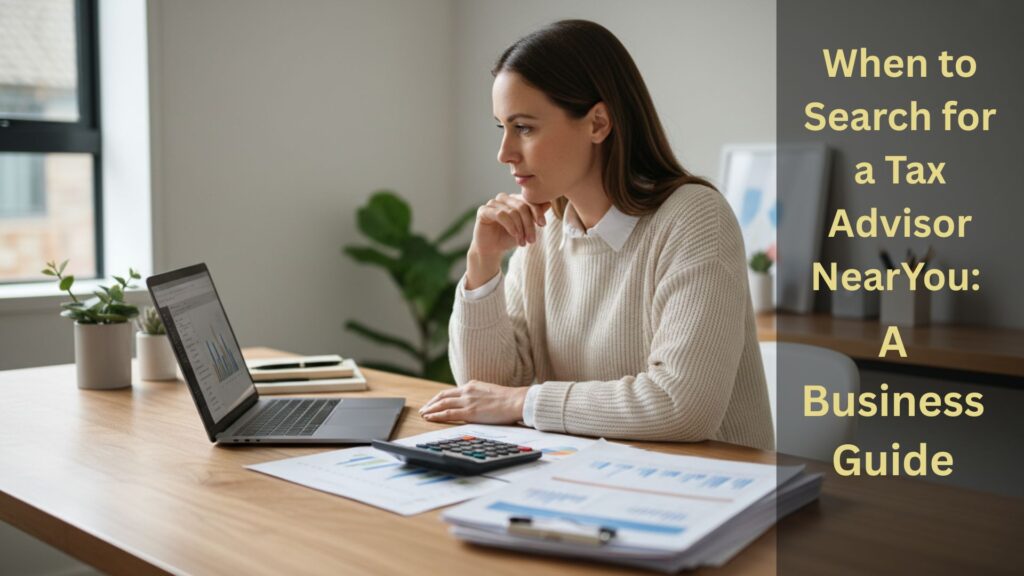
Running a business brings constant decisions. Sales, staffing, cash flow! Tax often slips into the background until a deadline looms or a letter arrives. At that point, many owners type “tax advisor near me” into a search bar and hope for quick answers.

The truth is, good tax advice works best before problems appear. Early guidance helps you plan, not panic.

Why Business Taxes Feel More Complex Than Ever

Business owners face a changing tax environment. Rules around GST, provisional tax, shareholder salaries, and business structures create layers of responsibility. Add online sales, overseas clients, or digital services, and the picture grows more complicated.

You might relate to thoughts like:

  • Am I paying more tax than necessary?
  • Have I set up my company structure the right way?
  • What happens if Inland Revenue reviews my returns?

These questions signal that professional support could add real value.

Key Moments to Look for a Tax Advisor

Certain business stages make expert tax input especially important.

  • Business growth

Revenue increases often push businesses into new tax brackets or GST obligations. A tax advisor reviews whether your systems, structure, and provisional tax approach still fit your situation.

  • Hiring staff or contractors

Payroll taxes, KiwiSaver, and contractor classification rules carry compliance risks. Getting this wrong leads to penalties and back payments.

  • Buying or selling assets

Property, vehicles, and equipment purchases affect depreciation and tax deductions. Timing and structure matter.

  • Business restructuring

Changing from sole trader to company, adding shareholders, or creating a trust has long-term tax effects. Advice at this stage prevents costly mistakes later.

What a Tax Advisor Actually Helps You Do

A qualified advisor does more than prepare returns. They help you understand the “why” behind the numbers.

You gain support with:

  • Tax planning to manage cash flow and provisional tax
  • Identifying legitimate deductions and credits
  • Structuring income in a tax-efficient, compliant way
  • Preparing for Inland Revenue queries or reviews
  • Making informed decisions before major financial moves

This forward-looking approach reduces stress. You stop reacting and start planning.

Local Knowledge Matters in New Zealand

Searching for a tax advisor is about more than location. It is about finding someone who understands the New Zealand tax system in detail. Inland Revenue expectations, GST rules, and industry-specific treatments differ from those in other countries.

An advisor who works regularly with New Zealand small and medium businesses understands local reporting standards, common audit triggers, and sector-specific issues. That insight helps you stay compliant while keeping your business financially healthy.

FAQ About Hiring a Tax Advisor

  1. When should a small business hire a tax advisor?

As soon as your business earns a steady income, hires staff, or registers for GST. Early advice prevents long-term errors.

  1. Is a tax advisor only needed at year’s end?

No. Ongoing advice throughout the year helps with planning, budgeting, and major decisions before they affect your tax position.

  1. How is a tax advisor different from a bookkeeper?

A bookkeeper records transactions. A tax advisor interprets those numbers, provides planning strategies, and ensures compliance with tax law.

Bottom Line:

Business owners carry enough pressure already. Clear tax guidance removes uncertainty and supports better decisions. Elite Accounting Limited – Chartered Accountants works with small to medium businesses that want practical, professional tax advice grounded in real-world experience and a strong understanding of local regulations.

Written by Ronit · Categorized: Tax Advisor · Tagged: Tax Advisor NearYou

Jan 27 2026

It usually starts the same way. You are focused on the business. Clients, suppliers, staff, and day-to-day decisions. Then one quiet moment arrives and you realise a GST return or your income tax return is overdue.

That sudden drop in the stomach? Very real.

Here’s the reassuring part. A late return is not the end of the world. In countries where GST is filed monthly, two-monthly, or six-monthly, and income tax is lodged once a year, delays happen more often than people admit. What matters is what you do next.

If you are already searching for a tax advisor near you, you are thinking in the right direction.

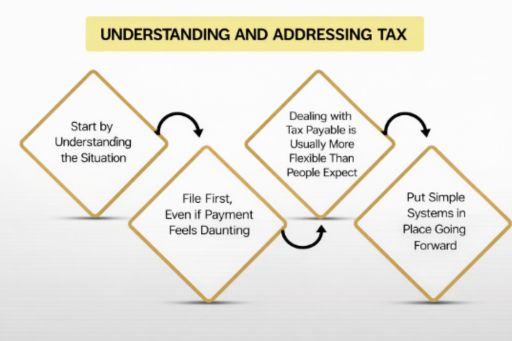
Understanding and Addressing Tax
  • Start by Understanding the Situation

Before reacting, get a clear picture. Which GST periods are outstanding? Is it income tax that has not been lodged yet? Are there notices from the tax office, or is it simply a missed deadline?

Pull together your sales records, expenses, and bank statements. Nothing fancy. Just enough to see what applies. Once the facts are in front of you, the stress tends to drop. Decisions become clearer.

  • File First, Even If Payment Feels Daunting

One common mistake is waiting because payment is uncertain. Filing should still come first. Tax authorities care deeply about compliance, often more than immediate payment.

Lodging the return shows responsibility. It also limits penalties and stops the situation from growing quietly in the background. Whether it is GST or income tax, submission matters.

  • Dealing With Tax Payable Is Usually More Flexible Than People Expect

Owing to GST or income tax does not always mean paying everything at once. Payment plans, short-term arrangements, and time-to-pay options are common.

What makes the difference is communication. Reaching out early, or having a tax advisor handle that conversation for you, often leads to far more reasonable outcomes.

  • Put Simple Systems in Place Going Forward

Once things are back on track, prevention is key. Not complex systems. Just practical ones.

Regular bookkeeping. Clear reminders for GST cycles. Knowing when income tax is due well in advance. This is where working with a trusted tax advisor near you becomes invaluable, not just for filing, but for staying organised year-round.

Common Questions Business Owners Ask

  1. What if I cannot pay my GST right now?

File the return anyway. Payment options are usually available, but late filing increases penalties.

  1. Are late GST returns a serious issue?

They can be if ignored. Filed promptly, they are usually manageable.

  1. Will this automatically trigger an audit?

No. Prompt action and transparency reduce risk significantly.

  1. Why work with a tax advisor near me?

Because accurate filing, correct advice, and calm communication with tax authorities matter.

A Calm Way Forward

Late GST or income tax returns feel heavy. The uncertainty, the pressure, the fear of penalties. Most business owners experience this at least once.

The difference between panic and progress is having the right support.

Elite Accounting Limited – Chartered Accountants works with business owners to restore clarity when deadlines slip. From overdue GST returns to income tax filings and conversations with tax authorities, the approach is practical, steady, and solutions-focused.

No judgement. No rushed decisions. Just clear guidance from professionals who understand both tax rules and real business life.

With the right tax advisor near you, compliance becomes manageable again. And confidence returns right alongside it.

Written by Ronit · Categorized: Tax Advisor · Tagged: Tax Advisor Near You

Jan 15 2026

Running a business comes with constant decisions. Some are easy. Some are intriguing. And of course, tax is one of them.

With all the account details opened in you laptop, you might be wondering whether to search for a tax accountant near you or handle everything yourself. Well, because it’s just a small business!

Frankly speaking, both options exist. Both can work. But the right choice depends on your situation, your confidence, and your risk tolerance.

Here’s the reality. Tax is not just paperwork. It does affect cash flow, compliance, and long-term growth.

Let’s break it down clearly.

Understanding DIY Tax Filing

DIY tax filing means you manage your own financial records and submit returns directly to the Inland Revenue Department (IRD).

Many business owners use accounting software to help. Cloud tools have made this easier than before. That’s a good thing.

Typical DIY responsibilities include:

  • Recording income and expenses
  • GST returns and filings
  • Annual financial statements
  • Income tax submissions
  • Tracking deductible expenses

If your business is simple, this can work. Especially in the early stages.

But simplicity rarely lasts forever.

Benefits of Hiring a Tax Accountant

Benefits of Hiring a Tax Accountant

Working with a professional changes the experience completely. You gain clarity. You gain confidence. You reduce stress.

A qualified accountant does more than submit forms. They interpret numbers. They identify risks. They plan ahead.

With a firm like Elite Accounting Limited – Chartered Accountants, support typically includes:

  • Compliance with IRD regulations
  • Financial reporting accuracy
  • Tax planning strategies
  • Bookkeeping and compliance oversight
  • Business advisory insights

That matters. Especially when revenue grows or complexity increases.

Many SMEs across New Zealand rely on professional guidance because mistakes can be expensive.

When DIY Might Be Enough

DIY works best in specific situations.

For example:

  • Sole traders with low transaction volume
  • Contractors with predictable income
  • Startups in the early months
  • Businesses with strong bookkeeping skills
  • Owners are comfortable with accounting software

If your finances are straightforward and you have time to learn, self-filing can save money initially.

But time has value too. That is often overlooked.

When Professional Help Is the Smarter Choice

There comes a point where doing accounting yourself stops being efficient.

You should strongly consider professional support if:

  • Revenue is increasing
  • You employ staff
  • GST becomes complex
  • You claim multiple deductions
  • You lack confidence in compliance
  • You want tax efficiency planning

Searching for a reliable tax accountant often happens at this stage. Not because DIY failed. Because the business evolved.

Growth creates complexity. Complexity needs expertise.

Cost Comparison: Perception vs Reality

Many owners assume DIY is always cheaper. It feels logical. No professional fees.

But consider the full picture.

DIY costs include:

  • Your time
  • Software subscriptions
  • Learning effort
  • Risk of errors
  • Missed deductions

Professional accounting costs include fees. Yes. But also value.

Accountants often save money through:

  • Correct expense claims
  • Tax efficiency strategies
  • Avoided penalties
  • Better financial decisions

In many cases, the financial difference is smaller than expected. Sometimes the accountant option is actually cheaper long-term.

Risks Small Businesses Often Overlook

Here’s where problems happen. Quietly. Gradually.

Common risks include:

  • Incorrect GST treatment
  • Missed filing deadlines
  • Poor record keeping
  • Underclaimed expenses
  • Overclaimed deductions
  • Misunderstanding IRD rules

These issues rarely appear immediately. They surface during audits or reviews.

That creates stress. And unexpected costs.

Professional accounting services in NZ exist to prevent those situations before they occur.

How to Decide What Is Right for You

Ask yourself a few honest questions.

  • Do I understand tax obligations confidently?
  • Do I have time to manage finances properly?
  • Is my business becoming more complex?
  • Do I want strategic advice or just compliance?
  • How comfortable am I with financial risk?

If confidence is low, support is wise.

If finances are simple and time is available, DIY may still work for now.

Many businesses also choose a hybrid approach. They manage bookkeeping themselves but engage experts for year-end filing and advice. That can be a practical middle ground within small business accounting environments in New Zealand.

If you find yourself repeatedly searching for a dependable tax accountant near you, it usually signals readiness for professional support.

Listening to that instinct helps.

FAQ

Is hiring a tax accountant worth it for startups?

Yes, especially as complexity grows. Accountants reduce risk, improve compliance, and often identify savings opportunities.

Can I file business taxes myself in New Zealand?

Yes. The IRD allows self-filing. Many small businesses start this way, particularly sole traders with simple finances.

How much does a tax accountant cost?

Costs vary based on business size and complexity. Basic returns may cost a few hundred dollars, while full advisory services cost more but provide greater value.

What are common tax mistakes businesses make?

Frequent errors include incorrect GST claims, missing deductions, poor record keeping, and late filings. These can trigger penalties or audits.

When should I hire an accountant?

Consider hiring one when revenue increases, you employ staff, compliance feels confusing, or you want strategic financial guidance.

A Supportive Next Step

Tax decisions do not need to feel overwhelming. The right guidance brings relief. And clarity.

If you are unsure which path fits your situation, speaking with experienced professionals can help you evaluate options calmly.

The team at Elite Accounting Limited – Chartered Accountants works closely with SMEs across the small business accounting sectors in New Zealand. Their approach focuses on compliance, practicality, and sustainable growth.

Because sometimes a short conversation is enough to point you in the right direction.

Written by Ronit · Categorized: Business Accounting · Tagged: Benefits of Hiring a Tax Accountant, tax accountant, Tax Accountant Near M

Jan 10 2026

Keeping your business finances on track shouldn’t feel like a full-time job. I know it’s stressful. Invoices pile up. GST deadlines loom. Receipts vanish. And somewhere in the chaos, your accounts can start to feel… overwhelming.

Don’t worry! You’re not alone! Many Kiwi business owners feel the same. But it doesn’t have to be this way. With the right approach, accounting can be simple, manageable, and even a tool to grow your business.

This guide gives you essential small business accounting tips for 2026. Short, practical, and easy to follow. And yes, Elite Accounting Limited- Chartered Accountants will show you how to stay on top of your finances without losing sleep.

Know Your Business Structure: Sole Trader, LTC, or Company

First things first: your accounting obligations depend on your business type. Pick the right structure, and you avoid headaches.

Sole Trader? Simple, but you’re personally responsible.

  • GST? Only if turnover >$60,000.
  • PAYE? For any employees.
  • Keep it simple: separate personal and business finances.

Look-Through Company (LTC): Profits flow to you personally.

  • Accurate records are a must.
  • Shareholder info goes to the IRD.
  • Tip: transparent reporting avoids surprises at year-end.

Company: A separate legal entity.

  • Annual returns and detailed records are compulsory.
  • Monthly 2 Monthly or 6 Monthly GST, PAYE, and end-of-year statements.
  • Pro tip: robust bookkeeping now saves penalties later.

Remember: knowing your entity type sets the foundation for everything else.

Bookkeeping Made Simple: Your Workflow

Here’s a workflow that works for NZ small businesses. Short, simple, practical.

  1. Daily / Weekly Record-Keeping
  • Log invoices, receipts, sales, and expenses.
  • Use Xero or MYOB to stay organised.

            Why? Weekly updates prevent chaos and errors later.

  1. Monthly Reconciliation
  • Match bank statements to your records.
  • Spot mistakes before they become problems.

Fun fact: this step alone saves hours at year-end.

  1. Accountant Review & Advisory
  • Share reconciled books with a qualified accountant.
  • They’ll advise on deductions, flag compliance issues, and give cashflow tips.
  1. Quarterly & Annual Filing
  • Submit GST, PAYE, and tax returns on time.
  • Avoid penalties, interest, and stress.
  1. Continuous Improvement
  • Listen to your accountant’s insights.
  • Adjust workflows, optimise cashflow, and plan growth.

Elite Accounting Limited- Chartered Accountants helps small business owners implement this workflow. Stress? Gone. Confidence? High.

IRD Obligations: Don’t Miss These Dates

Compliance can feel like a maze. But it’s manageable. Here’s the short version:

  • GST Returns:  monthly, two-monthly, or six-monthly.
  • PAYE & KiwiSaver:  monthly for employees.
  • Provisional Tax:  if your annual tax exceeds thresholds.
  • Annual Tax Returns: everyone, every year.

Tip: Mark these in your calendar. Alerts help. So does an accountant.

Avoid These Common Mistakes

Oops! Even smart business owners slip up. Watch for these:

  • Mixing personal and business finances.
  • Skipping reconciliations.
  • Filing GST or PAYE late.
  • Delayed invoicing; hello, cashflow problems.
  • Ignoring your accountant’s advice.

Fix these, and your business runs more smoothly. Easy wins.

Pro Tip: Regular check-ins with Elite Accounting Limited- Chartered Accountants prevent these mistakes before they cost you.

Tax-Saving Tips and Checklists

Want to save money? Here’s how:

  • Claim all legitimate expenses: home office, travel, and software subscriptions.
  • Track expenses in real time.
  • Review provisional tax payments to avoid over- or under-paying.
  • Keep all receipts and documentation.
  • Mid-year review with an accountant? Absolutely. Adjust forecasts early.

Checklist:

  • Weekly: Log invoices, expenses, payments.
  • Monthly: Reconcile bank vs ledger.
  • Quarterly: Submit GST & PAYE.
  • Year-End: Prepare tax returns, financial statements, and compliance review.

Elite Accounting Limited- Chartered Accountants can even provide a ready-made checklist for your business.

FAQ: Quick Answers for Small Business Owners

Q1: What are the main accounting obligations for NZ small businesses?

Keep accurate records, file GST if needed, pay PAYE, and submit annual tax returns. Obligations vary by entity: sole trader, LTC, or company.

Q2: How often should I update my bookkeeping?

Weekly is ideal. Monthly minimum. Regular updates reduce errors and cashflow issues.

Q3: Can I handle accounting myself?

Software helps, but a qualified accountant ensures compliance, catches mistakes, and gives tax advice.

Q4: How do I choose the right small business accountant?

Experience, IRD knowledge, transparent pricing, and someone who can guide you through GST, PAYE, and tax filing efficiently.

Q5: Are there penalties for late or inaccurate filings?

Yes. The IRD can charge fines and interest. Early bookkeeping and a trusted accountant prevent these costly mistakes.

Conclusion: Take Control in 2026

Small business accounting doesn’t need to be stressful. With the right approach, your small business finances can be accurate, compliant, and even empowering.

Follow these tips, keep your workflow tight, avoid common mistakes, and leverage professional advice.

Elite Accounting Limited- Chartered Accountants works with Kiwi small business owners to simplify accounting, streamline bookkeeping, and stay IRD-compliant. Whether you’re a sole trader, LTC, or company, we make sure your finances are accurate and your growth is supported.

Ready to feel confident about your accounts? Book a free consultation with Elite Accounting Limited- Chartered Accountants today.

Disclaimer: The information provided in this article is general in nature and does not constitute personalised financial or tax advice. Please contact Elite Accounting Limited- Chartered Accountants for advice tailored to your specific business circumstances.

Written by Ronit · Categorized: Business Accounting · Tagged: business accounting, Small Business Accounting

Dec 08 2025

“Why do I need to employ a full-time accountant? It’s just a start-up company. I can handle it alone!”

Isn’t it the same thing you are thinking right now as an entrepreneur? And, you are absolutely wrong!

Starting a business is thrilling, I have to concede that. You have your vision, your team, and that unstoppable energy to make it work. But take a moment and imagine you’re trying to focus on growing your business, communicating with your clients. Then, you are handed boring, long spreadsheets and tax forms. Which you might not fully understand. A single mistake, a small oversight, is costly; every missed deadline is stressful. 

Ufffff….tough!!! Finances can feel like a whole different beast. Now you can feel that! Cash flow, taxes, payroll, and compliance can quickly turn your overwhelming excitement into stress, especially when you’re juggling a million other things.

That’s the very reason why having an experienced business accountant is a smart move. They guide you, protect you, and help your business thrive from the very start.

“Still, can’t I do it alone? Or, take help a bit later on?”

Well, that won’t be strategic. Here’s why:

You Build a Strong Financial Foundation From the Start

Think of your business like a building. The foundation determines what happens next. An accountant helps you set up:

  • proper bookkeeping
  • accurate records
  • tax-compliant systems
  • clear financial processes
  • a reliable structure for future growth

These are not things you want to correct later. Fixing mistakes costs far more than setting things up correctly from the beginning.

You Avoid Common Start-Up Financial Mistakes

Many new entrepreneurs underestimate expenses, overestimate revenue, or miss early tax obligations. These issues snowball quickly.

An accountant sees problems before you do. They know the patterns, the risks and the red flags. Their expertise shields your business from avoidable setbacks.

You Understand Your Cash Flow Clearly

Cash flow is one of the main reasons start-ups fail. Even profitable businesses collapse when cash flow is mismanaged.

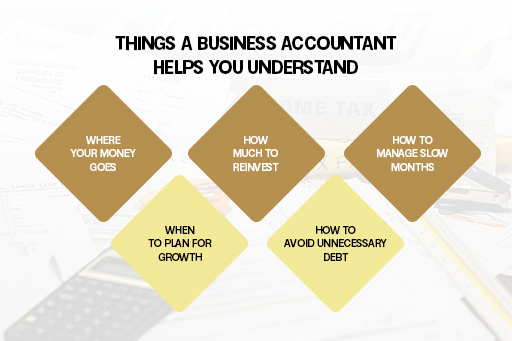
A business accountant helps you understand:

  • Where your money goes
  • How much to reinvest
  • How to manage slow months
  • When to plan for growth
  • How to avoid unnecessary debt

Trust me, this guidance is crucial when every decision impacts your budget.

You Save Time and Reduce Stress

Finances consume hours each week. Hours you could spend on clients, product development, marketing or operations.

A good accountant removes this burden from your shoulders. You regain time. You gain clarity. You work smarter, not harder.

You Stay Fully Compliant

Compliance is not optional. Whether it’s tax rules, employer obligations, GST, or financial reporting, mistakes can lead to:

  • penalties
  • audits
  • delays
  • damaged credibility

An experienced accountant ensures everything is accurate, timely and aligned with Auckland requirements.

You Get Better Tax Planning and Higher Savings

Start-ups often pay more tax than necessary simply because they don’t know what they can claim.

So, your accountant becomes your saviour and helps you 

  • Identify deductions
  • Structure your business correctly
  • Plan ahead for tax seasons
  • Avoid unexpected bills
  • Keep more money in the business

Good tax planning directly strengthens your cash position.

You Make Better Business Decisions

Every big decision has a financial impact, indeed. Whether you are hiring, pricing, expanding, investing or shifting direction, your accountant provides data-backed insights so you don’t take unnecessary risks.

They help you see the bigger picture before you even commit.

A Real Example: How Early Accounting Support Prevents FBT Headaches 

One area where founders often slip up is vehicle-related compliance. I know it seems simple at first. You buy a car or a ute for business travel and assume it counts as a straightforward business expense. 

But sometimes, it’s the same as you think. IRD sees it differently.

If a business vehicle is ever available for personal use, even briefly, it may trigger Fringe Benefit Tax (FBT). Many new entrepreneurs have zero idea about this until they receive an unexpected notice.

This is exactly the point where an early partnership with a business account adds real value. 

When you work with a trusted accounting firm like Elite Accounting Limited- Chartered Accountants, we guide you through what the IRD actually expects, and we assist you in choosing the right method before any mistakes happen.

Here is how the rules typically work:

  • If your vehicle is used 100% for business, FBT may not apply, but only if:
  • It qualifies as a work-related vehicle, such as a van or ute
  • It has permanent company signage
  • There is a written policy restricting all personal use
  • You maintain a quarterly log or GPS checks

Most founders never realise how strict these requirements are. One casual drive home and IRD considers it “available for private use”.

If personal and business use are mixed, you must either:

  • Keep a 9-day logbook to calculate private use, or
  • Use deemed income rules if you are a close company

 These decisions affect your tax returns, GST claims, and even how your vehicle costs are recorded.

Choosing the wrong method can lead you to pay more tax than necessary.

A seasoned business accountant in Auckland prevents that entirely. They create policies for you, set up logbooks, guide you through IRD expectations and ensure your deductions are correct from day one. The peace of mind alone is worth it. 

Why Elite Accounting Limited- Chartered Accountants Makes This Partnership Even More Valuable

We provide comprehensive support for entrepreneurs who want accuracy, clarity and long-term stability. Their team helps businesses set up correctly, stay compliant and grow with confidence. 

We excel in:

  • Small business accounting
  • Financial planning for start-ups
  • Business tax preparation
  • Cash flow advisory
  • Budgeting and forecasting

You get expert help without the overwhelming technical jargon. Our approach is clear, practical and focused on protecting your business while helping it scale.

Bottom Line:

Growing a start-up is already a demanding journey. Trying to manage every financial task alone can slow you down, create stress and expose your business to risks you may not even recognise yet. Working with a professional accountant gives you structure, clarity and support from the very beginning.

Elite Accounting Limited- Chartered Accountants guides start-up owners to make smarter financial decisions, stay compliant and build businesses with confidence. Starting with an account on day one isn’t an added expense; it is an investment toward smoother operations, strategic growth and long-term success. 

FAQ: What People Usually Ask

  1. Do I need an accountant if my business is small?

Yes. Even small businesses face tax rules, cash flow challenges and compliance requirements. Early guidance helps you avoid costly mistakes.

  1. Is an accountant expensive for start-ups?

Not compared to the long-term cost of errors, penalties or poor planning. A good accountant often saves you more than they charge.

  1. Can Elite Accounting Limited- Chartered Accountants help if I’m just starting?

Absolutely. Their team supports new businesses with a complete financial setup, tax planning and ongoing advisory.

Written by Ronit · Categorized: blog · Tagged: Business Accountant Auckland

Nov 26 2025

So, you’re starting your small business! That’s wonderful!

The freedom to make your own decisions, build a brand that truly reflects you, and connect with your customers personally it’s all exciting, and that feeling is completely normal.

But behind that excitement lie the real challenges.

Cash flow management, financial planning and budgeting, team and payroll management, and strategic planning…all can turn into a nightmare if not handled properly.

Among these, payroll processing stands out as one of the most critical functions for any business. A single mistake can lead to compliance violations, employee dissatisfaction, hefty fines, and more.

So, what’s the solution?

Hiring a seasoned accountant near you can make all the difference. They ensure timely and accurate payments, keeping your business safe from costly penalties and legal issues.

In this blog, we’ll walk through some of the most common payroll mistakes every business owner should know and how to avoid them.

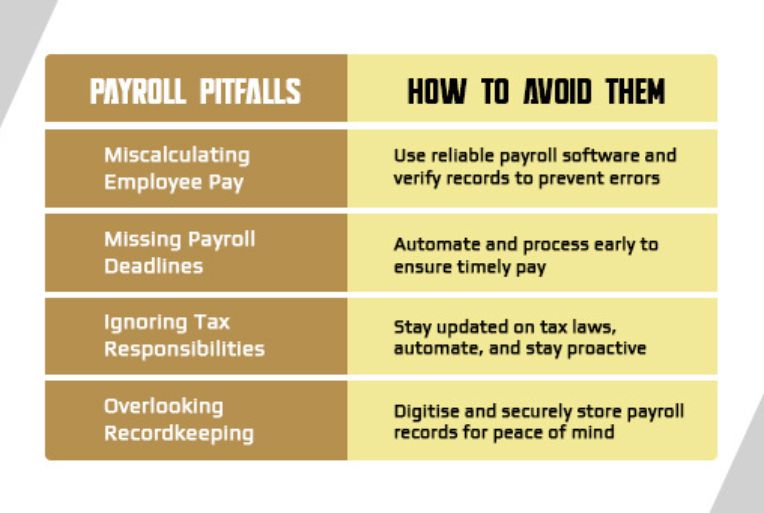
Payrool Pitfall
  • Miscalculating Employee Pay

One of the most common payroll problems is paying employees incorrectly. It may seem like a small slip, like a few missed hours here, an incorrect overtime rate there. But these errors can shake employee confidence and hurt team morale.

Smart fix:

Invest in dependable payroll software and keep employee pay records current. Always double-check data before finalising payments. A few extra minutes of review can save hours of damage control later.

  • Missing Payroll Deadlines

Nothing affects team trust faster than delayed paychecks. Late payments can disrupt employees’ personal plans and even put your business at legal risk.

Keep it on time:

Set automated reminders, process timesheets ahead of payday, and plan around holidays. Paying your team on time might seem basic, but it tells them that you respect and care about them.

  • Ignoring Tax Responsibilities

Tax errors are like slow leaks! They start small but can cause major problems later. From missed filings to incorrect withholdings, the damage adds up quickly.

Stay tax-ready:

Keep track of current tax laws and filing deadlines. Automate wherever possible, and never assume last year’s rates still apply. A proactive approach today prevents panic later.

  • Overlooking Recordkeeping

Messy payroll records can cause headaches during audits or employee disputes. Missing pay slips, outdated records, or lost documentation can make your business look disorganised, even if your intentions are good.

Keep your books clean:

Digitise everything. Store payroll data securely for at least 3–5 years and review it periodically. Think of recordkeeping as insurance for your peace of mind.

The Role of Elite Accounting Limited – Chartered Accountants

Managing payroll is complex! But it doesn’t have to be stressful. Elite Accounting Limited – Chartered Accountants takes the pressure off your shoulders by handling every detail of your bookkeeping and payroll with precision and care. Their team ensures accurate calculations, timely payments, and full compliance with tax laws.

Whether you’re a growing startup or a small business owner juggling multiple roles, we provide personalised support that fits your needs. Our proactive approach helps you save time, reduce costly mistakes, and focus on what truly matters.

Final Thoughts:

Business success isn’t only measured in profits, but in the people who stand behind those numbers. And payroll sits right at that intersection. When your team gets paid accurately and on time, it builds loyalty, trust, and long-term commitment.

But let’s be honest! Managing payroll isn’t easy. Between tax updates, deadlines, and compliance rules, even the most organised business owners can feel overwhelmed. That’s where having the right experts by your side makes all the difference.

With Elite Accounting Limited – Chartered Accountants, you don’t just get numbers done right…you get peace of mind. Their team of expert accountants brings precision, professionalism, and genuine care to every detail, so you can focus on growing your business while they handle the rest.

Because when your payroll runs smoothly, everything else in your business follows with confidence and calm.

Frequently Asked Questions

  1. What if I make a payroll mistake?

Fix it quickly and communicate openly with your team. Then review your process or work with an accountant to prevent it from happening again.

  1. How can small businesses simplify payroll?

Use reliable software, keep employee info updated, and let professionals like Elite Accounting Limited – Chartered Accountants handle the complex stuff.

  1. Is outsourcing payroll worth it?

Yes. It saves time, reduces errors, and keeps you compliant while you focus on running your business.

Written by Ronit · Categorized: blog · Tagged: Accountant Near me

Oct 14 2025

What happens when your rental losses stop saving you on tax? Think about it…

You bought a rental property thinking the losses would help slash your income tax bill! Smart move, right? But now, those losses can’t touch your business income or salary. Why? Say hello to the ring-fencing rule.

It’s like a financial speed bump…one that keeps your rental losses stuck within your property portfolio, unable to reduce tax on other income streams. The result? Your cash flow may take a hit if you weren’t prepared.

But don’t you worry! There are still ways to navigate this change wisely.

Let’s break it down and show you how to work smarter under the new system with the proper guidance of a business accountant in Auckland.

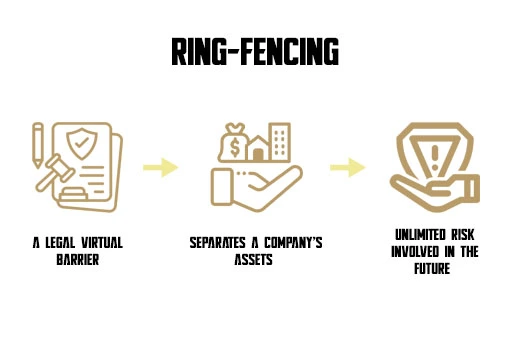
What is Ring-Fencing of Rental Losses?

Ring-fencing means that if your rental property makes a loss, you can’t use that loss to reduce your other income (like your salary or business profits). The loss is “ring-fenced” and can only offset future rental income, not your total income.

Think of it like a store credit, useful, but only for that same store.

Why Did the NZ Government Introduce This Rule?

To curb property speculation and promote housing affordability. The idea was to level the playing field so that property investors couldn’t keep buying up homes and claiming big tax deductions that regular wage earners couldn’t.

A move with good intentions, but it changed the game for landlords.

So, Does This Impact Small Business Owners with Rental Properties? But How?

If you’re relying on your rental losses to reduce your overall tax burden, this rule could mean a higher tax bill. Especially for new landlords, where mortgage interest and maintenance costs often exceed the rent.

This is where having a savvy business accountant in Auckland comes in handy.

Hmm… Now the Question is, Can You Carry Forward Rental Losses?

Yes! That’s the silver lining. You can carry the losses forward and use them in future years when your rental makes a profit. But until then, they just sit there. Unused. Untapped.

Wondering How You Can Stay Compliant and Still Make the Most of Your Property Investment?

Simple: Structure your finances smartly. Get proactive with tax planning. And make sure your accountant actually understands this stuff.

Working with NZ Chartered Accountants who live and breathe tax rules can make all the difference.

But What If You’re Unsure About How This Applies to Your Situation?

Then it’s time to stop Googling “tax accountant near me” and start talking to someone who gets the NZ tax landscape inside out.

That’s where Elite Accounting Limited- Chartered Accountants steps in.

Why Choose Elite Accounting Limited- Chartered Accountants?

They aren’t just another name among accounting firms in Auckland. They’re Chartered Accountants NZ certified, and they specialise in helping small business owners like you:

  • Understand the impact of tax law changes
  • Structure rental investments smartly
  • Maximise your returns
  • Stay compliant without the headache

From day-to-day accounting to tailored tax strategies, Elite Accounting Limited- Chartered Accountants brings clarity where most businesses feel overwhelmed.

FAQs: Ring-Fencing Rental Losses in NZ

  • Can I still deduct rental expenses?

    Yes, you can deduct them against rental income only, not your total income.

    • Does ring-fencing apply to all properties?

      Generally, yes. But some mixed-use properties and new builds might have exceptions. Ask your accountant for details.

      • Can I apply losses to previous tax years?

        No, ring-fenced losses can only be carried forward to future years, not backwards.

        • How do I track my ring-fenced losses?

          Your accountant should track them annually and report them correctly on your tax return.

          Ready to Make Rental Property Work for You, not Against You?

          Ring-fencing doesn’t have to be a roadblock. With the right advice and planning, your property investment can still pay off; you just need a business accountant whom the Auckland entrepreneurs actually trust.

          Reach out to Elite Accounting Limited- Chartered Accountants, the accountant NZ business owners rely on when it’s time to stop guessing and start growing.

          Boost your rental ROI. Stay compliant. Sleep better. That’s the Elite way.

          Written by Ronit · Categorized: blog · Tagged: Business Accountant Auckland

          Apr 04 2025

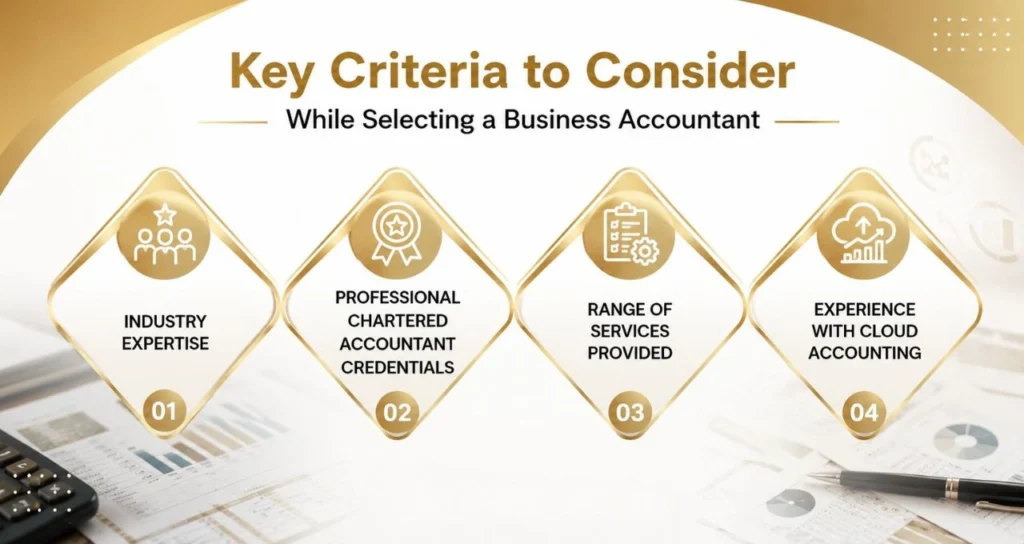
          Have you ever felt confused about choosing the right accountant for your small business? Do you worry about making a mistake that could cost you time as well as money? Finding a good accountant is one of the most important decisions for any small business owner. The right accountant can always help you save money, stay organised, and grow your business. But if you choose the wrong one, it can lead to stress, financial problems and missed opportunities.

          Many small business owners make simple mistakes when picking an accountant, often without realising it. In this blog, we will talk about the most common mistakes people make and how you can avoid them. By making the right choice you can ensure your business runs smoothly and you get the best financial advice for your needs.

          Mistakes To Avoid When Hiring an Small Business Accountant

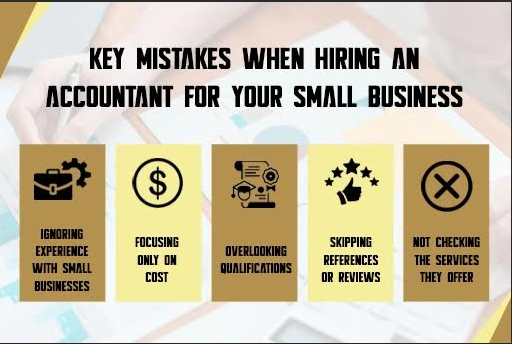
          Avoid These Key Mistakes When Hiring an Accountant for Your Small Business

          Choosing the right accountant is an important decision for any small business. However, picking the wrong one can lead to stress, financial mistakes, and even legal issues. Let’s look at common mistakes small business owners make when searching for the best accountant for their small business and how you can avoid them:
          1. Ignoring Experience with Small Businesses
          Not all accountants are the same. Some work mainly with large corporations, while others focus on small businesses. Therefore, hiring someone without experience in your industry or business size could lead to poor advice or missed opportunities. Always look for an accountant who has worked with businesses like yours and understands your specific needs.
          2. Focusing Only on Cost
          While it is important to stay within your budget choosing the cheapest accountant may cost you more in the long run. Low fees might mean fewer services, less expertise or poor communication. Therefore, instead of focusing only on price consider the value they provide. A slightly more expensive accountant with a strong track record could save you money as well as stress in the future.
          3. Overlooking Qualifications
          It is very easy to assume that all accountants are qualified, but this isn’t always the case. You need to make sure the accountant you choose is certified or chartered. That means they have completed the necessary training and are held to high professional standards. In the UK, always look for qualifications like ACCA, ACA, or CIMA.
          4. Skipping References or Reviews
          Many small business owners skip the step of checking references or reviews. However, this is a mistake. Speaking to other clients or reading online feedback can always give you a good idea of what to expect. Look for an accountant with a reputation for being reliable, approachable, and knowledgeable.
          5. Not Checking the Services They Offer
          Different accountants offer different services. Some only handle bookkeeping and tax returns while others provide advice on business growth, budgeting and financial planning. Make sure the accountant you choose offers the services your small business needs both now and in the future.

          Make the Right Choice for Your Business

          At Elite Accounting Limited – Chartered Accountants, we specialise in helping small businesses with their accounting needs. Our experienced as well as friendly team always provides expert advice, tax-saving strategies, and personalised support to help your business succeed. Moreover, we take the stress out of managing your finances so you can focus on growing your business. 


          Get in touch with us today and let us help you take your business to the next possible level!


          Written by Ronit · Categorized: blog

          Contact Us

          We would love to hear from you. Email, phone or connect with us via social media.

          09 393 7025

          0210 886 9295

          info@eliteaccounting.co.nz

          261 Morrin Road, St Johns, Auckland


          Xero Gold Partner

          Footer

          2026 ©
          Elite Accounting Limited | site by: barefoot web design