Hiring a tax accountant is one of the most important financial decisions for any business owner, freelancer, contractor, or property investor. Whether you need annual tax filing, GST returns, payroll support, or strategic tax planning, choosing the wrong accountant can lead to compliance issues, missed deductions, and unnecessary financial stress.
According to Inland Revenue New Zealand (IRD), businesses are responsible for maintaining accurate financial records and meeting their tax obligations. Working with an experienced accountant helps reduce errors while ensuring compliance with current tax legislation.
Instead of choosing the first accountant you find online, ask these ten important questions before making your decision.
Why Does Choosing the Right Tax Accountant Matter?
Hiring the right tax accountant is about much more than lodging your annual tax return. A knowledgeable accountant helps you make smarter financial decisions, minimise tax liabilities legally, and keep your business compliant throughout the year.
A reliable tax accountant can support you with:
- Strategic tax planning
- GST compliance and reporting
- Business advisory services
- Cash flow management
- Payroll administration
- Financial forecasting
- Business structure advice
- Inland Revenue compliance
With the right professional by your side, your accountant becomes a trusted financial partner who supports long-term business growth.
1. What Qualifications and Professional Certifications Do You Hold?
Before hiring an accountant, verify their qualifications and professional memberships. A Chartered Accountant or other recognised accounting professional follows strict ethical standards, completes ongoing training, and stays updated with changing tax regulations.
Working with a qualified expert gives you greater confidence that your financial records and tax obligations are handled accurately.
2. Have You Worked with Businesses in My Industry Before?
Accounting requirements vary from one industry to another. A retail store, construction company, medical practice, and online business all face different tax obligations and reporting requirements.
Ask whether the accountant has experience with businesses similar to yours. Industry knowledge often leads to better financial advice, improved tax planning, and fewer compliance issues.
3. Which Accounting and Advisory Services Are Included?
Not every accounting firm offers the same level of support. Some only prepare tax returns, while others provide ongoing financial guidance.
Find out whether they offer services such as:
- Tax return preparation
- GST filing
- Bookkeeping
- Payroll management
- Financial reporting
- Budgeting
- Business advisory
- Tax planning
Choosing a firm that provides comprehensive services can save both time and money as your business grows.
4. How Will You Help Improve My Business’s Tax Efficiency?
A trustworthy accountant focuses on legal tax optimisation rather than unrealistic tax-saving promises.
Ask how they identify eligible deductions, manage tax planning, and ensure compliance with Inland Revenue requirements. An experienced accountant should also explain how they review your financial position throughout the year to identify opportunities for legitimate tax savings.
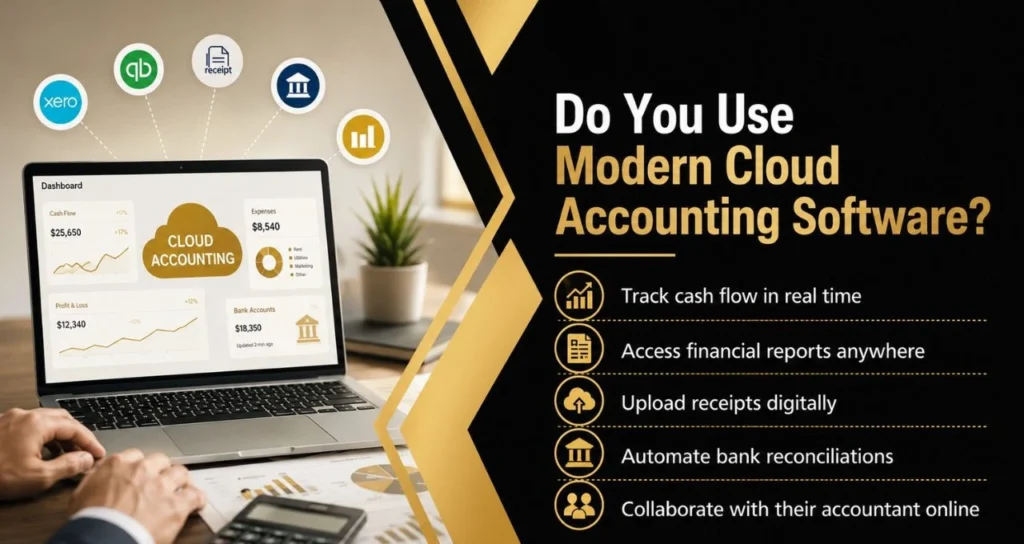
5. Do You Use Modern Cloud Accounting Software?
Technology plays a major role in efficient financial management. Ask which accounting platforms they work with and whether they support cloud-based bookkeeping.
Many businesses prefer software such as Xero, MYOB, or QuickBooks because it allows them to:
- Track cash flow in real time
- Access financial reports anywhere
- Upload receipts digitally
- Automate bank reconciliations
- Collaborate with their accountant online
Cloud accounting improves accuracy while giving business owners better visibility over their finances.
6. How Often Will You Review My Business Finances?
Rather than only meeting at tax time, look for an accountant who offers regular financial reviews throughout the year.
Ask how often they check your financial performance, discuss tax planning opportunities, and provide business advice. Ongoing support helps identify potential issues early and keeps your business financially healthy.
7. What Does Your Pricing Include?
Understanding the full scope of an accounting package helps you avoid unexpected costs later.
Ask questions such as:
- Is your pricing fixed, monthly, or hourly?
- Which services are included in the quoted fee?
- Are there any additional charges for business advice or extra consultations?
- Will GST returns, payroll, and financial reporting be covered?
Comparing what’s included is often more valuable than comparing price alone.
8. How Do You Keep Up with Changing Tax Regulations?
Tax laws and Inland Revenue requirements can change regularly. A proactive accountant invests in professional development to stay informed about legislative updates and compliance requirements.
Ask how they monitor tax law changes and how they communicate important updates that may affect your business.
9. What Business Insights Can You Provide Beyond Tax Compliance?
The best accountants do far more than complete tax returns. They help business owners understand financial performance and plan for future growth.
Ask whether they provide:
- Cash flow forecasting
- Profitability analysis
- Budget planning
- Financial performance reports
- Growth and expansion advice
These insights can help you make informed business decisions with greater confidence.
10. Why Do Your Existing Clients Continue Working with You?
Client satisfaction says a lot about an accounting firm’s reliability and service quality.
Ask whether they can share:
- Client success stories
- Testimonials
- Online reviews
- Long-term client relationships
- Professional references
Positive feedback from existing clients demonstrates trust, expertise, and consistent service, making it easier to choose the right accountant for your business.
Common Signs You’ve Found the Right Accountant
A reliable accountant typically demonstrates several important qualities:
- Clear communication
- Transparent pricing
- Strong tax knowledge
- Industry experience
- Fast response times
- Cloud accounting expertise
- Proactive financial advice
- Long-term business support
When comparing firms after searching for a tax accountant near you, these qualities can help you identify a professional who offers value beyond basic tax compliance.
Bottom Lines:
Choosing the right accountant isn’t simply about convenience. It’s about finding a trusted financial professional who understands your business, keeps you compliant, and supports your long-term growth. By asking these ten questions before making your decision, you can confidently select an accountant who delivers more than tax preparation. Looking for experienced accounting support in New Zealand? Look no more than Elite Accounting Limited- Chartered Accountants. We offer professional guidance, practical business advice, and reliable tax services designed to help businesses make informed financial decisions with confidence.r
FAQs
How do I know if a tax accountant is qualified?
Check whether they hold recognised professional qualifications, maintain ongoing professional education, and have experience working with businesses similar to yours.
Should I hire an accountant even if I use accounting software?
Yes. Accounting software helps manage financial data, but a qualified accountant provides tax planning, compliance advice, financial strategy, and business guidance that software alone cannot replace.
What documents should I prepare before meeting a tax accountant?
Bring previous tax returns, financial statements, GST records, payroll information, bank statements, expense records, and any business registration documents.
Can a tax accountant help reduce business tax?
Yes. A professional accountant identifies legitimate deductions, improves tax planning, and ensures compliance with New Zealand tax laws while helping businesses avoid unnecessary tax liabilities.
How often should I meet my accountant?
Most businesses benefit from quarterly reviews, while growing companies may require monthly financial discussions to monitor cash flow and business performance.
How much does it cost to hire a tax accountant in New Zealand?
The cost varies depending on the complexity of your financial needs and the services required. Some accountants offer fixed-fee packages, while others charge hourly rates. Always ask for a clear pricing structure before engaging their services.
Can a tax accountant help with GST returns and Inland Revenue compliance?
Yes. Most tax accountants assist with GST registration, GST return preparation, Inland Revenue (IRD) filing, tax compliance, and meeting important reporting deadlines. They also help minimise the risk of penalties caused by filing errors or late submissions.
What is the difference between a tax accountant and a bookkeeper?
A bookkeeper records daily financial transactions and maintains accurate financial records. A tax accountant uses that information to prepare tax returns, provide tax planning advice, ensure compliance with tax laws, and offer strategic financial guidance for businesses and individuals.